
Study
Life in the UK Test Guide- 🎯Exam Guide
- 📋Quick Reference
- 📝Revision Notes
- 📖Study Guide
- Chapter 1: Introduction
- Chapter 2: What is the UK?
- Chapter 3: History
- Chapter 4: Modern Society
- Chapter 5: Government & Law
Tudors & Stuarts
Tudors & Stuarts 都鐸與斯圖亞特時期
From 1485 to 1714, Britain experienced religious revolution, civil war, and the birth of constitutional monarchy. This era transformed Britain from a Catholic medieval kingdom to a Protestant parliamentary nation.
由1485年到1714年,英國經歷咗宗教革命、內戰同君主立憲制嘅誕生。呢個時代將英國由天主教中世紀王國轉變為新教議會制國家。
1485 से 1714 तक, ब्रिटेन ने धार्मिक क्रांति, गृहयुद्ध और संवैधानिक राजतंत्र के जन्म का अनुभव किया। इस युग ने ब्रिटेन को एक कैथोलिक मध्ययुगीन साम्राज्य से एक प्रोटेस्टेंट संसदीय राष्ट्र में बदल दिया।
Tudor Monarchs
H7-H8-E-M-E
- H7Henry VII (1485-1509) - Founded dynasty
- H8Henry VIII (1509-1547) - Six wives, broke from Rome
- EEdward VI (1547-1553) - Protestant reforms
- MMary I (1553-1558) - Restored Catholicism
- EElizabeth I (1558-1603) - Golden Age
Two Henrys, then EME - Edward, Mary, Elizabeth.
The Tudor Period 都鐸時期
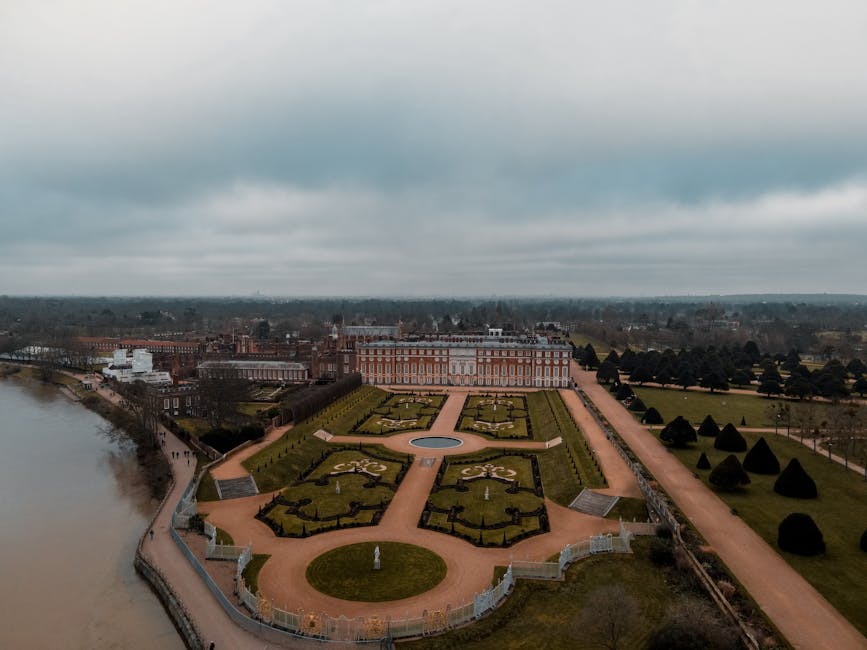
The Tudor Crown
The Tudor dynasty ruled from 1485-1603Henry VIII and the Church of England
亨利八世與英國國教
Henry VIII broke from the Catholic Church when the Pope refused to annul his marriage to Catherine of Aragon. He established the Church of England with himself as head, dissolved the monasteries, and seized their wealth.
當教皇拒絕廢除佢與阿拉貢凱瑟琳嘅婚姻時,亨利八世與天主教會決裂。佢建立咗以自己為首嘅英國國教,解散咗修道院,並奪取咗佢哋嘅財富。
'Henry's Six Wives: Divorced, Beheaded, Died; Divorced, Beheaded, Survived' - remember the fate of each wife.
'亨利嘅六位妻子:離、斬、亡;離、斬、存'——記住每位妻子嘅命運。
Elizabeth I - The Golden Age
伊利沙白一世——黃金時代
Elizabeth I brought stability after religious turmoil. Her 45-year reign saw the defeat of the Spanish Armada (1588), the flourishing of Shakespeare, and the beginning of English exploration. She never married, earning the title 'Virgin Queen'.
伊利沙白一世喺宗教動亂後帶來穩定。佢45年嘅統治見證咗西班牙無敵艦隊嘅戰敗(1588年)、莎士比亞嘅繁榮同英國探險嘅開始。佢終身未嫁,獲得「童貞女王」嘅稱號。
The Stuart Period 斯圖亞特時期
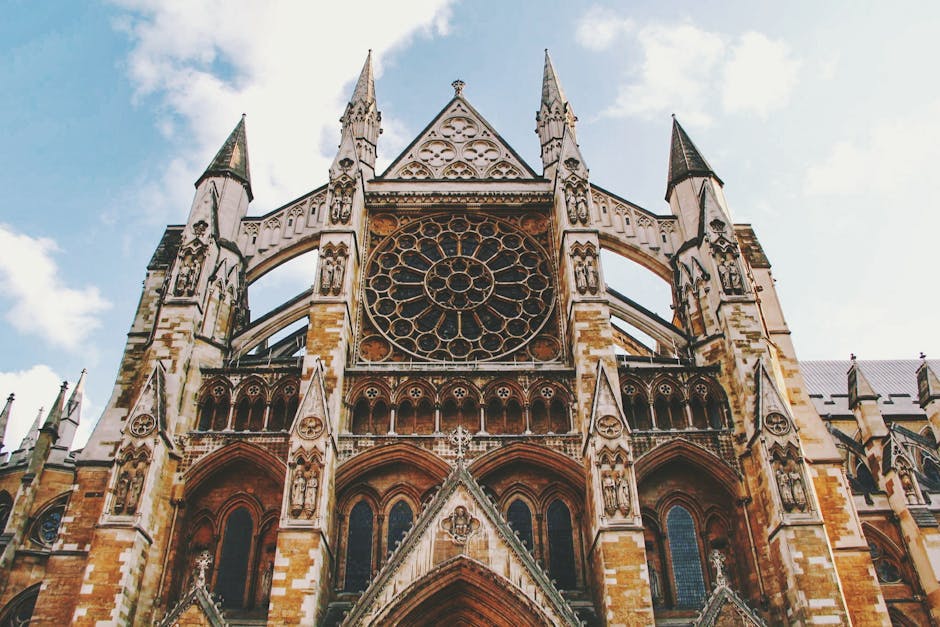
English Civil War
英國內戰
War between King Charles I (Royalists/Cavaliers) and Parliament (Parliamentarians/Roundheads). Oliver Cromwell led Parliament's army. Charles I lost, was tried for treason, and executed in 1649 - the first time a European monarch was publicly tried and executed.
查理一世國王(保皇黨/騎士派)同議會(議會派/圓顱黨)之間嘅戰爭。奧利弗·克倫威爾領導議會軍。查理一世戰敗,被以叛國罪受審,喺1649年被處死——呢係歐洲君主首次被公開審判同處決。
'Cavaliers = Curly hair, Roundheads = Round haircuts' - their hairstyles named them!
'騎士派 = 捲髮,圓顱黨 = 圓形髮型'——佢哋嘅髮型命名咗佢哋!
From Execution to Restoration
由處決到復辟
Charles I Executed
查理一世被處死
King beheaded for treason
國王因叛國罪被斬首
Charles II Returns
查理二世回歸
Monarchy restored
君主制恢復
After 11 years without a king, England welcomed Charles II back. But he returned with less power - Parliament had proven it could execute a king.
喺冇國王嘅11年後,英格蘭迎回咗查理二世。但佢回歸時權力減少咗——議會已經證明佢可以處決國王。
Bill of Rights
權利法案
Passed after the 'Glorious Revolution' of 1688 when William and Mary became king and queen. It confirmed Parliament's rights and limited the monarch's powers, establishing that the king cannot levy taxes or maintain an army without Parliament's consent.
喺1688年「光榮革命」後通過,威廉同瑪麗成為國王同女王。佢確認咗議會嘅權利並限制咗君主嘅權力,規定國王未經議會同意唔得徵稅或維持軍隊。
Practice Questions 練習題
Why did Henry VIII break from the Catholic Church?
Incorrect
Henry VIII wanted to divorce Catherine of Aragon to marry Anne Boleyn and have a male heir. When the Pope refused to annul his marriage, Henry broke from Rome and established the Church of England.
What happened in the 'Glorious Revolution' of 1688?
Incorrect
The Glorious Revolution of 1688 saw Protestant William of Orange and his wife Mary invited to become king and queen, replacing the Catholic James II. It was 'glorious' because there was no bloodshed.
In what year was the Spanish Armada defeated?
Incorrect
The Spanish Armada was defeated in 1588 during Elizabeth I's reign. England's smaller, more maneuverable ships and bad weather destroyed the Spanish fleet.
What was the Bill of Rights (1689)?
Incorrect
The Bill of Rights (1689) was a landmark law that limited the monarch's powers and confirmed Parliament's rights. It established that the king cannot levy taxes or maintain an army without Parliament's consent.
Who led Parliament's army during the English Civil War?
Incorrect
Oliver Cromwell led Parliament's New Model Army to victory in the English Civil War. After Charles I's execution in 1649, Cromwell became Lord Protector and ruled England until his death in 1658.
In what year was Charles I executed?
Incorrect
Charles I was executed on 30 January 1649 after being tried for treason. He was the first European monarch to be publicly tried and executed, demonstrating that even kings are not above the law.
How many wives did Henry VIII have?
Incorrect
Henry VIII had six wives: Catherine of Aragon, Anne Boleyn, Jane Seymour, Anne of Cleves, Catherine Howard, and Catherine Parr. Remember: 'Divorced, Beheaded, Died; Divorced, Beheaded, Survived'.
Which queen was known as the 'Virgin Queen'?
Incorrect
Elizabeth I was known as the 'Virgin Queen' because she never married. Her 45-year reign (1558-1603) is considered a 'Golden Age' for England, with the flourishing of arts, exploration, and the defeat of the Spanish Armada.
When was the monarchy restored after the English Civil War?
Incorrect
The monarchy was restored in 1660 when Charles II returned from exile. This period is called 'The Restoration'. Charles II was welcomed back after 11 years without a king, though he ruled with less power than his father.
**Key Insight**: This era established that monarchs rule with Parliament's consent, not by divine right. The Bill of Rights (1689) created the foundation for modern constitutional monarchy.
**關鍵洞察**:呢個時代確立咗君主係經議會同意而統治,而唔係神授君權。權利法案(1689年)為現代君主立憲制奠定咗基礎。
**मुख्य अंतर्दृष्टि**: इस युग ने स्थापित किया कि सम्राट संसद की सहमति से शासन करते हैं, न कि दैवीय अधिकार से। अधिकार विधेयक (1689) ने आधुनिक संवैधानिक राजतंत्र की नींव रखी।
Put what you just read into practice
The fastest way to remember is to answer real-style questions. Test 1 is free to start.