
Study
Life in the UK Test Guide- 🎯Exam Guide
- 📋Quick Reference
- 📝Revision Notes
- 📖Study Guide
- Chapter 1: Introduction
- Chapter 2: What is the UK?
- Chapter 3: History
- Chapter 4: Modern Society
- Chapter 5: Government & Law
Early Britain
Early Britain 早期英國
Britain's story begins long before written records. From the first hunter-gatherers to the Norman invasion of 1066, this chapter covers the waves of settlement and invasion that shaped the British Isles.
英國嘅故事喺有書面記錄之前好耐已經開始。由第一批狩獵採集者到1066年嘅諾曼入侵,呢章涵蓋咗塑造不列顛群島嘅一波又一波定居同入侵。
ब्रिटेन की कहानी लिखित अभिलेखों से बहुत पहले शुरू होती है। पहले शिकारी-संग्रहकर्ताओं से लेकर 1066 के नॉर्मन आक्रमण तक, यह अध्याय ब्रिटिश द्वीपसमूह को आकार देने वाली बसावट और आक्रमण की लहरों को शामिल करता है।
Who Came to Britain?
R-A-V-N
- RRomans (AD 43-410)
- AAnglo-Saxons (after AD 410)
- VVikings (from AD 789)
- NNormans (1066)
Think 'RAVN' like a 'Raven' bird - these invaders swooped down on Britain!
Prehistoric Britain 史前英國
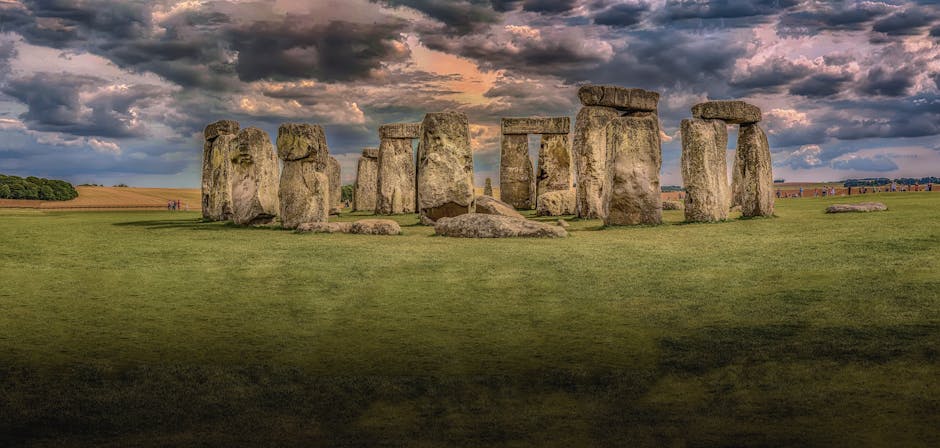
From Stone to Iron
First hunter-gatherers arrive in Britain
Britain separates from continental Europe as ice melts
Farming begins - Stone Age people settle down
Stonehenge built
Iron Age begins - hill forts built
Stonehenge
巨石陣
One of the world's most famous prehistoric monuments, built during the Stone Age in Wiltshire. The massive stones were transported from Wales, over 150 miles away. Its purpose remains mysterious - possibly astronomical, religious, or ceremonial.
世界上最著名嘅史前紀念碑之一,喺威爾特郡嘅石器時代建造。巨大嘅石頭由超過150英里外嘅威爾斯運來。佢嘅用途仍然神秘——可能係天文、宗教或儀式用途。
'Stone Age = Stonehenge' - the most famous Stone Age monument.
'石器時代 = 巨石陣'——最著名嘅石器時代紀念碑。
Roman Britain 羅馬英國
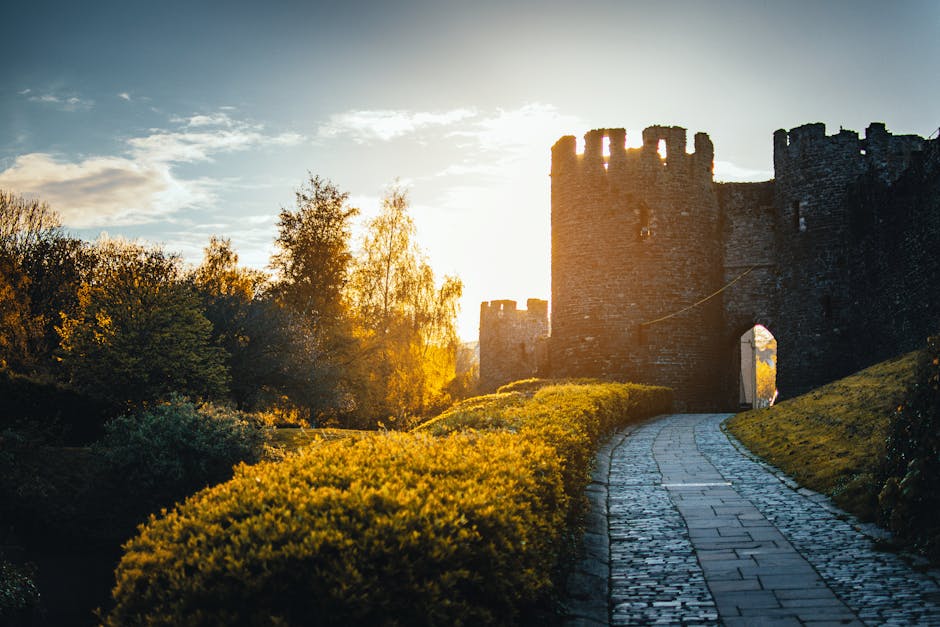
Roman Invasion
羅馬入侵
Emperor Claudius successfully invaded Britain in AD 43. Julius Caesar had tried twice before (55 BC and 54 BC) but didn't stay. The Romans ruled for nearly 400 years, building roads, towns, and public baths.
克勞狄烏斯皇帝喺公元43年成功入侵英國。尤利烏斯·凱撒之前曾嘗試兩次(公元前55年同54年)但冇留下。羅馬人統治咗近400年,建造道路、城鎮同公共浴場。
'Claudius Conquered, Julius just visited' - Claudius stayed, Caesar didn't.
'克勞狄烏斯征服,凱撒只係探訪'——克勞狄烏斯留低咗,凱撒冇。
Hadrian's Wall
哈德良長城
Built by Emperor Hadrian, this 73-mile wall marked the northern boundary of the Roman Empire. It stretched from coast to coast across northern England. It was not just a wall - it included forts, gates, and barracks.
由哈德良皇帝建造,呢道73英里長嘅牆標記住羅馬帝國嘅北部邊界。佢橫跨英格蘭北部由一個海岸延伸到另一個海岸。佢唔只係一道牆——仲包括堡壘、大門同兵營。
'Hadrian's Wall = Holding back the wild north' - keeping the Scottish tribes out.
'哈德良長城 = 阻擋野蠻嘅北方'——阻止蘇格蘭部落。
Romans Leave
羅馬人離開
The Roman army left Britain in AD 410 to defend other parts of the crumbling Empire. This began the 'Dark Ages' - a period of limited historical records as Britain fractured into competing kingdoms.
羅馬軍隊喺公元410年離開英國去保衛崩潰帝國嘅其他部分。呢開始咗「黑暗時代」——由於英國分裂成相互競爭嘅王國,歷史記錄有限嘅時期。
Anglo-Saxons & Vikings 盎格魯-撒克遜人與維京人
Power Shifts in Early Britain
早期英國嘅權力轉移
Romans Leave
羅馬人離開
Power vacuum created
權力真空形成
Anglo-Saxon Kingdoms
盎格魯-撒克遜王國
Seven kingdoms established
建立七個王國
When the Romans left, Germanic tribes - Angles, Saxons, and Jutes - filled the void. By AD 600, they had established seven kingdoms across England. The name 'England' comes from 'Angle-land'.
當羅馬人離開時,日耳曼部落——盎格魯人、撒克遜人同朱特人——填補咗真空。到公元600年,佢哋喺英格蘭各地建立咗七個王國。「England」呢個名嚟自「Angle-land」(盎格魯人之地)。
Anglo-Saxon Kingdoms
盎格魯-撒克遜王國
By AD 600, the Anglo-Saxons had established several kingdoms including Wessex, Mercia, and Northumbria. These Germanic invaders gave England its language and name - 'England' means 'land of the Angles'.
到公元600年,盎格魯-撒克遜人已建立咗幾個王國,包括威塞克斯、麥西亞同諾森布里亞。呢啲日耳曼入侵者賦予咗英格蘭佢嘅語言同名稱——「England」意為「盎格魯人嘅土地」。
'Angles made Angle-land = England' - the invaders named the country.
'盎格魯人創建咗盎格魯之地 = 英格蘭'——入侵者為國家命名。
Viking Raids
維京襲擊
Vikings from Denmark and Norway began raiding Britain in the late 700s. They were fierce warriors who came first to raid monasteries (for gold) and later to settle. They controlled a large area called the 'Danelaw'.
嚟自丹麥同挪威嘅維京人喺700年代末期開始襲擊英國。佢哋係兇猛嘅戰士,最初嚟掠奪修道院(尋找黃金),後來定居。佢哋控制咗一大片被稱為「丹麥法區」嘅地區。
'Vikings = Violent visitors who stayed' - raiders turned settlers.
'維京人 = 留落嚟嘅暴力訪客'——掠奪者變成定居者。
Alfred the Great
阿爾弗雷德大帝
The only English monarch called 'the Great'. King of Wessex who fought the Vikings, united much of England, promoted education, and established the Anglo-Saxon Chronicle. He is the only king to have successfully resisted Viking conquest.
唯一被稱為「大帝」嘅英國君主。威塞克斯國王,與維京人作戰,統一咗英格蘭大部分地區,推動教育,並建立咗盎格魯-撒克遜編年史。佢係唯一成功抵抗維京征服嘅國王。
'Alfred = All-Fred (friend) to England' - he saved and united the country.
'阿爾弗雷德 = 英格蘭嘅全民朋友'——佢拯救並統一咗國家。
The Norman Conquest 諾曼征服
Battle of Hastings
黑斯廷斯戰役
On October 14, 1066, William, Duke of Normandy, defeated King Harold II. Harold was killed - legend says by an arrow in the eye. This was the last successful invasion of Britain. William became 'William the Conqueror'.
1066年10月14日,諾曼底公爵威廉擊敗咗哈羅德二世國王。哈羅德被殺——傳說係被箭射中眼睛。呢係英國最後一次被成功入侵。威廉成為「征服者威廉」。
'1066 - Ten Sixty-Six, Harold gets his licks' - the famous defeat.
'1066——一〇六六,哈羅德敗亡'——著名嘅戰敗。
What the Normans Changed
諾曼人改變咗咩
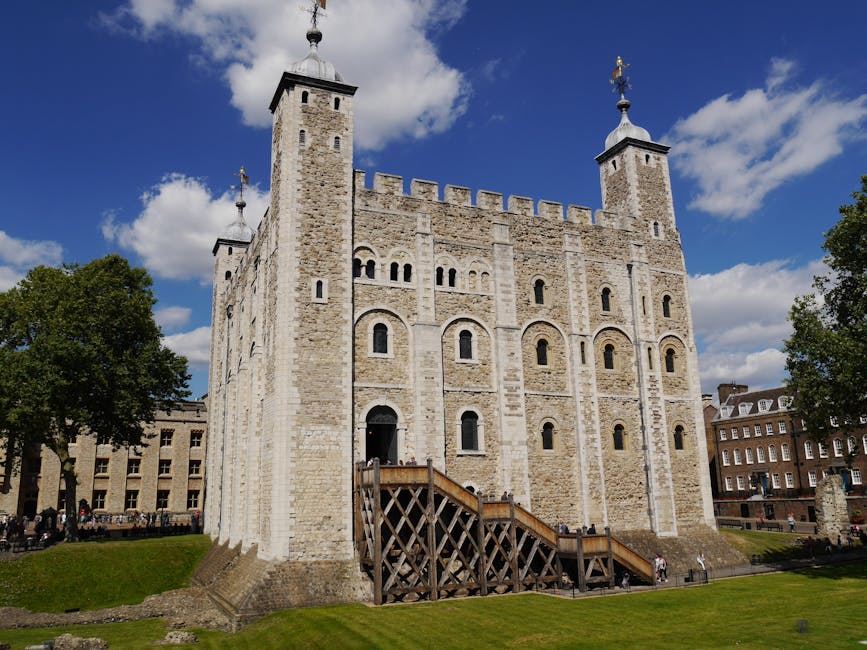
The Normans introduced: the feudal system, Norman French (which influenced English), castles (like the Tower of London), and the Domesday Book - a survey of all land in England. The ruling class spoke French for centuries.
諾曼人引入咗:封建制度、諾曼法語(影響咗英語)、城堡(如倫敦塔)同《末日審判書》——英格蘭所有土地嘅調查。統治階級講法語講咗幾個世紀。
'Normans = New order, new language, new buildings' - they changed everything.
'諾曼人 = 新秩序、新語言、新建築'——佢哋改變咗一切。
Practice Questions 練習題
Which emperor successfully invaded Britain in AD 43?
Incorrect
Emperor Claudius successfully invaded and conquered Britain in AD 43. Julius Caesar had visited earlier but didn't stay. Hadrian built the famous wall but came later.
What year was the Battle of Hastings?
Incorrect
The Battle of Hastings took place on October 14, 1066. It was the last successful invasion of Britain.
Which English king is the only one called 'the Great'?
Incorrect
Alfred (871-899), King of Wessex, is the only English monarch called 'the Great'. He fought the Vikings and helped unite England.
When did the Roman army leave Britain?
Incorrect
The Roman army left Britain in AD 410 to defend other parts of the crumbling Roman Empire. This marked the beginning of the 'Dark Ages' in Britain.
When was Hadrian's Wall built?
Incorrect
Hadrian's Wall was built in AD 122 by Emperor Hadrian. It was 73 miles long and marked the northern boundary of the Roman Empire in Britain.
When was Stonehenge built?
Incorrect
Stonehenge was built around 2500 BC during the Stone Age. It is located in Wiltshire and remains one of the world's most famous prehistoric monuments.
Who won the Battle of Hastings?
Incorrect
William, Duke of Normandy won the Battle of Hastings in 1066. He defeated King Harold II and became William I (the Conqueror), the first Norman King of England.
When did the Vikings first arrive in Britain?
Incorrect
The Vikings first arrived in Britain in AD 789. They came from Denmark, Norway, and Sweden, raiding monasteries and eventually settling in parts of Britain.
When did Britain become separated from continental Europe?
Incorrect
Britain became separated from continental Europe around 6000 BC as the ice from the last Ice Age melted, flooding the land bridge that connected Britain to Europe.
What did Julius Caesar do when he visited Britain?
Incorrect
Julius Caesar visited Britain twice (55 BC and 54 BC) but did not stay to conquer. It was Emperor Claudius who successfully invaded and conquered Britain in AD 43.
What was the significance of the Battle of Hastings?
Incorrect
The Battle of Hastings in 1066 was the last successful invasion of Britain. William the Conqueror's victory brought Norman rule and changed English language, law, and society forever.
**Key Insight**: Britain was shaped by waves of invaders - Romans, Anglo-Saxons, Vikings, Normans. Each wave added new elements to British culture, language, and identity.
**關鍵洞察**:英國係由一波又一波嘅入侵者塑造嘅——羅馬人、盎格魯-撒克遜人、維京人、諾曼人。每一波都為英國文化、語言同身份添加咗新元素。
**मुख्य अंतर्दृष्टि**: ब्रिटेन को आक्रमणकारियों की लहरों द्वारा आकार दिया गया था - रोमन, एंग्लो-सैक्सन, वाइकिंग्स, नॉर्मन्स। प्रत्येक लहर ने ब्रिटिश संस्कृति, भाषा और पहचान में नए तत्व जोड़े।
Put what you just read into practice
The fastest way to remember is to answer real-style questions. Test 1 is free to start.